World Cancer Day 2026: United by Unique – why people-centred cancer support matters more than ever
By Mark Guymer, CEO, Cancer Support UK
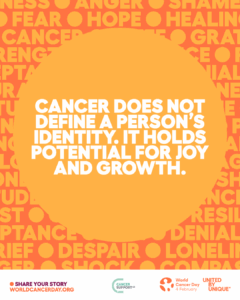
Cancer connects us – but it does not define us
On 4 February, people around the world will mark World Cancer Day – a moment to reflect, to raise awareness, and to recommit ourselves to doing better for everyone affected by cancer.
The theme for World Cancer Day 2026, “United by Unique”, could not be more timely.
Cancer may be something that connects millions of people globally, but no two cancer experiences are the same. Each diagnosis is shaped by the person receiving it – by their life, their family, their work, their identity, their mental health, and the realities they face before, during and after treatment.
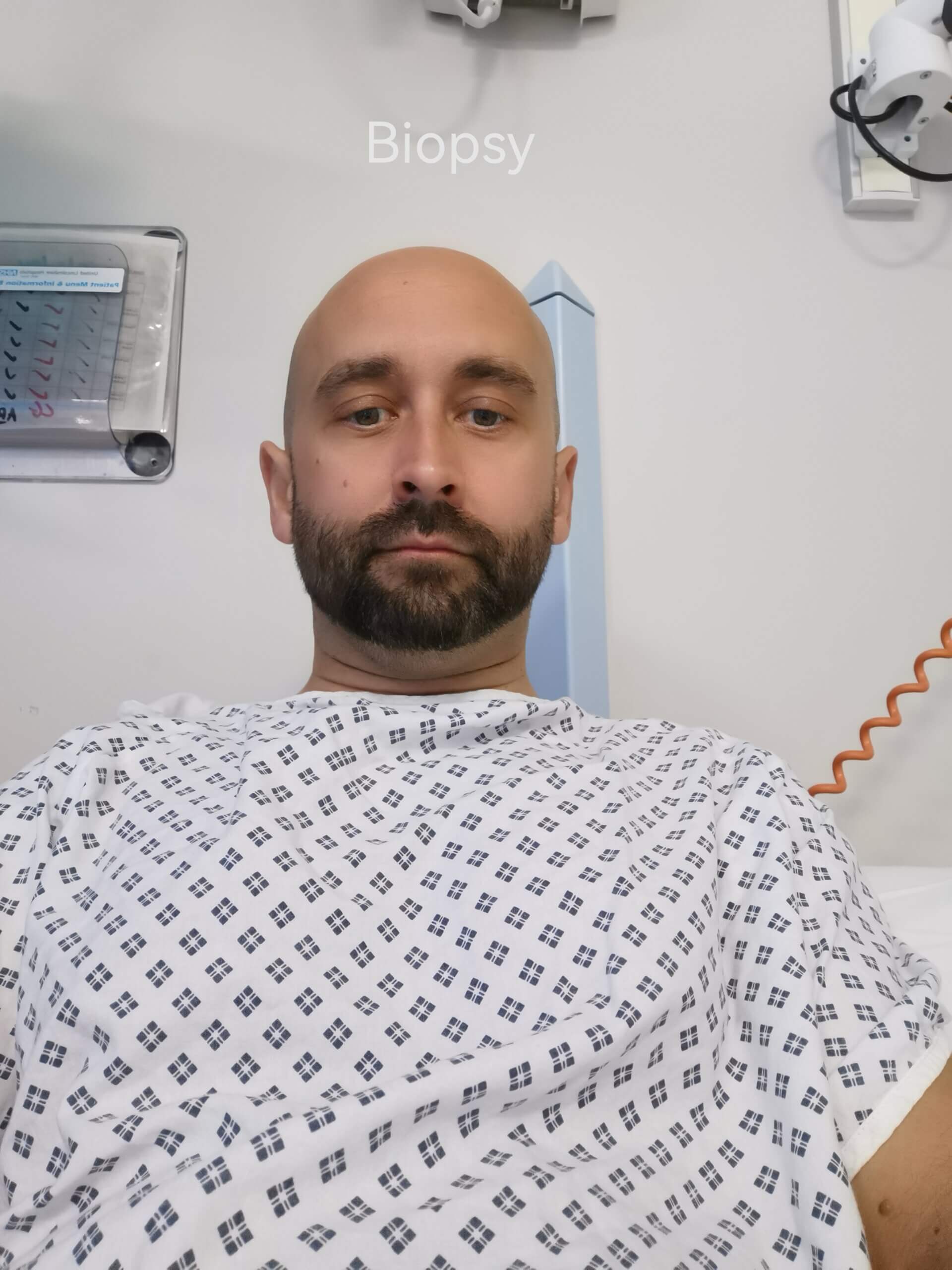
Yet too often, when someone enters the cancer system, the person risks becoming a patient. Their individuality can be overshadowed by appointments, protocols and treatment pathways.
At Cancer Support UK, we believe this is something that must change.
A pivotal moment for cancer care in the UK
This World Cancer Day comes at a particularly significant time. A new National Cancer Plan is expected to be launched in February – setting out how the UK will approach cancer prevention, diagnosis, treatment and survivorship in the years ahead.
This plan matters. It will shape priorities, funding decisions and the lived experience of people affected by cancer.
But as welcome as advances in diagnosis and treatment are, clinical care alone is not enough.
More people are living with and beyond cancer than ever before. In the UK, around one in two people will be diagnosed with cancer at some point in their lives, and survival rates continue to improve. That is something to celebrate – but it also brings new challenges.
People are living longer with the emotional, psychological, social and practical impacts of cancer. Anxiety, fear of recurrence, isolation, changes to identity, work and relationships do not disappear when treatment ends.
If we are serious about improving outcomes, emotional support, wellbeing and personalised care must sit alongside clinical treatment – not as an optional extra, but as a core part of cancer care.
United by Unique: putting people back at the centre
The United by Unique theme places people-centred care firmly at its heart. It asks us to recognise that while cancer connects us, each individual’s experience deserves to be seen, heard and respected.
At Cancer Support UK, this belief underpins everything we do.
We see, every day, how powerful it is when people are supported as whole human beings, not just as diagnoses.
When people are given space to talk about their fears, regain confidence, rebuild a sense of control and reconnect with life beyond cancer, the impact can be profound.
This is not about replacing medical care. It is about complementing it – ensuring people are supported emotionally, practically and psychologically, alongside their treatment.
Giving people affected by cancer a voice
A core part of our work is about amplifying voices that are too often unheard.
Through our Cancer Coach programme, people who have completed cancer treatment are supported to develop self-management skills, rebuild confidence and move forward with their lives. The focus is not on “going back to normal” – because for many people, normal has changed – but on finding a new way forward that feels right for them.
Participants tell us how powerful it is to be listened to without judgement, to have their individuality recognised, and to regain a sense of agency after a time when so much felt out of their control.
These voices matter. They tell us what support really looks like in practice – and they should be informing how services, policies and workplaces respond to cancer.
Cancer does not stop at the clinic door
For many people, one of the most significant challenges after a cancer diagnosis is work.
Cancer affects people of working age in increasing numbers, yet many workplaces still feel ill-equipped to support employees through diagnosis, treatment and beyond.
Our workplace cancer support training helps organisations understand the realities of cancer in the workplace – raising awareness, building confidence and enabling managers and colleagues to provide meaningful, compassionate support.
When workplaces get this right, the benefits are clear: employees feel supported rather than sidelined, stigma is reduced, and people are better able to balance work with their health and wellbeing.
Cancer is not something that happens in isolation. It intersects with every part of life – and workplaces have a crucial role to play.
Small acts of kindness can have a big impact
Sometimes, support is about human connection.
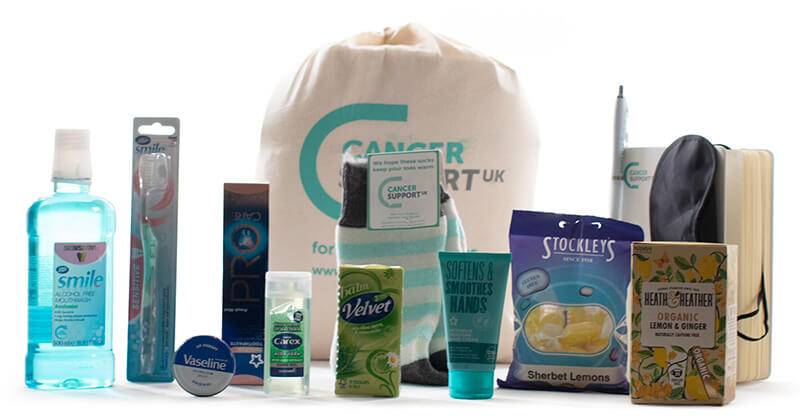
Our Cancer Kits are a powerful example of this. Requested by people going through treatment, as well as by their families and friends, the kits provide practical items to help manage the physical side effects of cancer treatment.
But they offer something more than that.
They send a simple, deeply human message: you are not alone.
There is something profoundly moving about the idea of one stranger donating to send a Cancer Kit to another stranger, simply because they care. That act of kindness can cut through fear and isolation at one of the most difficult times in someone’s life.
In a system that can sometimes feel impersonal, these moments of connection matter.
Why World Cancer Day 2026 matters
World Cancer Day is not just about awareness – it is about action.
As we look ahead to the next phase of cancer care in the UK, we must ensure that:
- People’s individuality is respected
- Emotional and wellbeing support is embedded, not sidelined
- Survivorship is treated as a vital part of the cancer journey
- Voices of lived experience shape policy and practice
Being United by Unique means recognising our shared responsibility to care for people as people, not just as patients.
At Cancer Support UK, we will continue to raise our voice – championing personalised, compassionate support and working alongside individuals, workplaces and communities to ensure no one faces cancer alone.
This World Cancer Day, let us recommit to seeing the person behind the diagnosis – and to building a cancer system that truly reflects the diversity, resilience and humanity of those it serves.