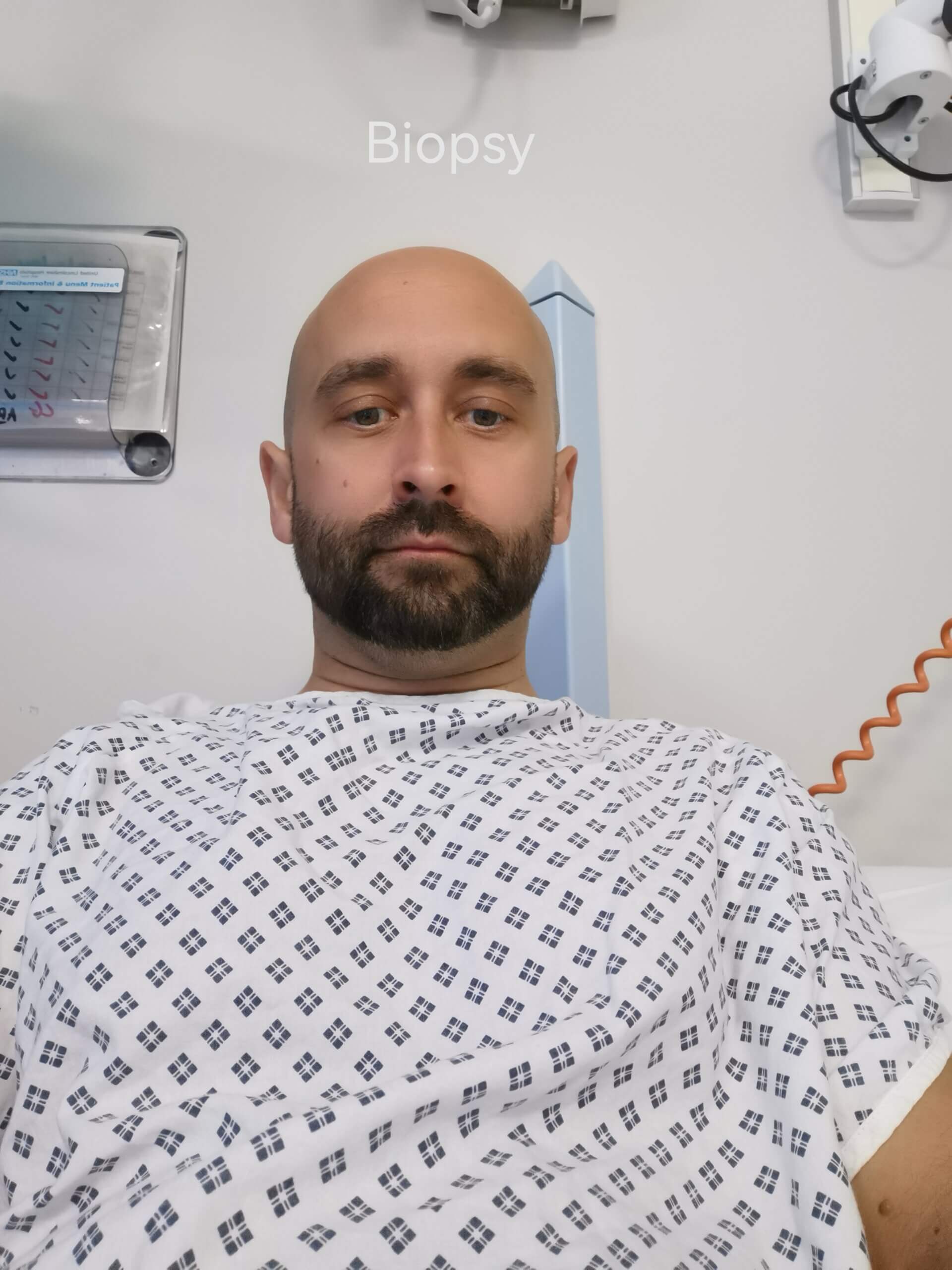
Ant, 46, used physical activity, such as running, walking and going to the gym, to help improve his chances of recovering from Hodgkin lymphoma
Overview – Hodgkin lymphoma
Hodgkin lymphoma is an uncommon type of cancer that develops in the lymphatic system – the network of vessels and glands that forms part of your immune system. Lymph fluid flows through these vessels and carries infection-fighting white blood cells, called lymphocytes.
In Hodgkin lymphoma, a type of lymphocyte called a B-lymphocyte starts to multiply in an abnormal way. These abnormal cells build up in parts of the lymphatic system, such as the lymph nodes, and lose their infection-fighting ability. This can make you more vulnerable to infections.
Hodgkin lymphoma can affect anyone, but it’s most common in people aged 20 to 40, and in those over 75. Slightly more men than women are affected. Around 2,100 people in the UK are diagnosed each year.
Symptoms of Hodgkin lymphoma
The most common symptom of Hodgkin lymphoma is a painless swelling in a lymph node, usually in the neck, armpit or groin.
Other possible symptoms include:
- Night sweats
- Unexplained weight loss
- Persistent fatigue (feeling very tired)
- High temperature (fever)
- Persistent cough or breathlessness
- Itchy skin
If you notice any of these symptoms, it’s important to speak with your GP. While they may be caused by other conditions, it’s always best to get them checked.

Ant experienced night sweat symptoms before being diagnosed with Hodgkin lymphoma
Causes of Hodgkin lymphoma
The exact cause of Hodgkin lymphoma is unknown. However, some factors can increase your risk:
- Having a medical condition that weakens the immune system
- Taking immunosuppressant medicines
- Previous exposure to the Epstein-Barr virus (which causes glandular fever)
- Having a close relative (parent, sibling, or child) who has had Hodgkin lymphoma
Diagnosis of Hodgkin lymphoma
The only way to confirm a diagnosis is with a biopsy. This minor surgical procedure involves removing a small sample of lymph node tissue, which is then examined under a microscope.
Further tests, such as blood tests and scans, may be used to help stage the disease and decide on the best treatment.
Treatment for Hodgkin lymphoma

Cancer Support UK offers free Cancer Kits to anyone going through cancer treatment. The kits are designed to provide comfort, relief and hope to people with a cancer diagnosis
Although Hodgkin lymphoma is considered an aggressive cancer because it can spread quickly, it is also one of the most treatable forms of cancer.
The main treatments are:
- Chemotherapy (the use of anti-cancer drugs)
- Radiotherapy (high-energy rays to kill cancer cells)
- Sometimes chemotherapy alone
Surgery is not generally used.
Order a free Cancer Kit from Cancer Support UK either for yourself or a loved one going through cancer treatment. Or consider making a donation to send a kit to someone, like Ant, in need of support and help them feel less alone. Ant was diagnosed with Hodgkin Lymphoma in 2024 and says the arrival of a Chemo Cancer Kit was an absolute godsend. Read Ant’s full story here.
Treatment plans depend on your age, overall health, and how far the cancer has spread. Many treatments are intensive, so doctors consider carefully which approach is right for each patient.
Overall, around eight in ten people with Hodgkin lymphoma live at least five years after diagnosis, and most of these are cured.
Complications of Hodgkin lymphoma
While treatment is often very successful, there can be long-term side effects, including:
- Infertility
- Increased risk of another type of cancer in the future
Your healthcare team will monitor you closely and provide support to help manage these risks.