Childhood Acute Myeloid Leukaemia (AML)

Acute Myeloid Leukaemia is an extremely rare type of fast-developing blood cancer, which affects around 100 children and young adults diagnosed each year in the UK
What is AML?
- Acute Myeloid Leukaemia (AML) is a type of blood cancer affecting white blood cells known as myeloid blasts. These immature cells grow too fast, don’t mature properly, then build up in bone marrow, crowding out healthy blood cells.
- Because those abnormal cells don’t work properly, your child’s body has difficulty fighting infections, stopping bleeding and producing red blood cells.
Signs and symptoms to watch for
Children with AML may show some or all of the following symptoms, which can also appear in other illnesses. If you notice several together or symptoms worsening, always speak to your GP or hospital:
- Feeling very tired or weak, looking pale (anaemia)
- Unusual bruising or bleeding easily (nosebleeds, gums)
- Frequent infections (because the immune system is weakened)
- Breathlessness or shortness of breath
How common is childhood AML?
- In the UK, around 80 new cases of childhood AML are diagnosed each year. This represents just over 15% of all childhood leukaemia cases.
- AML can occur at any age under 19, but younger children (especially under two years) are more at risk. There is a slight tendency for more boys than girls to be diagnosed.
Diagnosis: tests and what to expect
Getting a clear diagnosis usually involves:
- A blood test showing an unusual number of abnormal white blood cells and reduced healthy blood cells.
- Bone marrow examination (a sample taken under anaesthetic) to see exactly which type of AML, and how mature the cells are.
- Other tests to see how far the disease has progressed, general health of the child, and whether there are specific risk factors.
Treatment and care
Treatment for childhood AML is intensive and carefully managed. Key elements include:
- Chemotherapy: given in blocks, aiming first to achieve remission (where leukaemia cells are reduced to very low levels) followed by consolidation to prevent relapse.
- Intrathecal chemotherapy may be used (given into the fluid around the brain and spinal cord) to prevent cancer returning there. Sometimes, radiotherapy is needed, though that is less common.
- Stem cell (bone marrow) transplantation: used especially where AML is high-risk or in relapse. It allows higher doses of treatment when needed.
Supportive care (infection control, blood transfusions, close hospital monitoring) is vital throughout.
Side effects and long-term considerations
- Treatments can cause short-term side effects: nausea, hair loss, tiredness, infections, bleeding risk etc.
- Some long-term or “late” effects may occur, especially if radiotherapy to the brain or spinal cord was used. These could include effects on growth, puberty, fertility, heart function, or risk of second cancers.
What happens next: remission, relapse, and follow-up
- Many children will enter remission, meaning the AML is under control. However, up to one in four children may experience a relapse (when leukaemia returns). Relapses are more likely within the first three years after treatment. Regular monitoring is essential: frequent follow-ups in the first year, gradually becoming less frequent. These checks help find relapse early and manage any long-term effects of treatment.
Support and living well
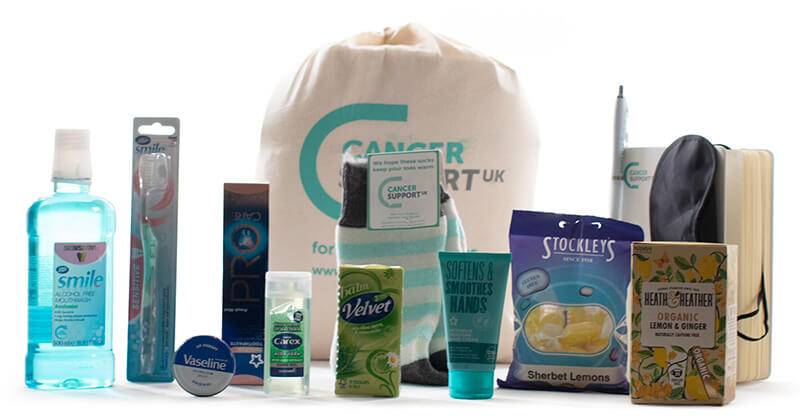
- We know a diagnosis of AML can be overwhelming. You are not alone. Cancer Support UK (and partner organisations) offer practical help, emotional support, information and community so parents and families can feel heard, supported and equipped. You can order one of our free Kids’ Cancer Kits, which are designed to provide comfort and entertainment while your child is receiving treatment.
- Melody’s story is one part of our wider family of stories. If you’d like to read how one little girl faced AML with courage and support, see Melody’s Story – it shows how even in difficult times, love, comfort, and help can make a difference.
- Signposting to support – please visit the signposting section on our website to find additional resources for financial help, support groups, helplines etc.